

A great song can lose its impact in the mix for surprisingly practical reasons: a vocal disappears when the chorus arrives, the kick and bass compete for the same space, or the track sounds exciting in headphones but flat everywhere else. Choosing a music mixing studio London artists can rely on is about more than finding impressive gear. It is about giving your record the time, listening environment and informed decisions it needs to communicate properly.
For independent artists, that process should not feel mysterious or out of reach. Whether you are finishing a first single, building an EP after a run of rehearsals, or delivering tracks for a larger release, the right mixing setup helps you hear what is already working and deal with what is getting in the way. However, distance shouldn’t be a barrier either, so the option to work with a London studio might not be limited to the London geographic. Many studios now offer online mixing, building a bridge to the London sound and a more affordable way to access it.
What a Music Mixing Studio in London Should Give You
Mixing is the stage where recorded parts become one record. It is not simply about making everything louder or adding effects. A mix engineer balances the arrangement, shapes tone, creates depth, controls dynamics and makes sure the most important musical ideas land at the right moments.
That can mean bringing a lead vocal forward without making it harsh, tightening a loose low end, giving guitars width while keeping the centre clear, or using automation to make a final chorus feel like it has genuinely arrived. The work is detailed, but the purpose is simple: make the listener feel the song as intended.
A useful mixing studio gives you three things. First, it provides a reliable room and monitoring chain, so decisions are based on what is actually in the track rather than what the room is hiding. Second, it gives you access to someone who can listen objectively. After living with a song for months, it is easy to stop hearing its obvious strengths and problems. Third, it creates focused time away from the endless cycle of tweaking at home.
The studio does not need to make every record sound the same. In fact, it should help protect the personality that made you want to release the track in the first place. A raw vocal performance may need texture rather than perfect polish. A dense indie arrangement may benefit from space and movement, while a rap vocal may need precision, weight and consistency. Good mixing responds to the song, not a preset.
Start With Recordings That Are Ready to Mix
The best mix cannot replace a performance that was never captured properly. It can improve balance, remove distractions and add character, but it cannot fully repair an arrangement with no space for the vocal or a take that does not carry the emotion of the song.
Before booking mixing time, listen back to your sessions with fresh ears. Check that every track starts from the same point, that there are no accidental muted sections, and that you have clearly labelled versions. If you have alternate vocal takes, doubles, ad-libs or programmed parts, make sure they are organised and intentional. A clear session lets the engineer spend time improving the record rather than searching through files.
It also helps to commit to creative choices before the mix. Decide which vocal take is the lead, whether that guitar is essential, and which programmed sounds belong in the final arrangement. You can still make changes during mixing, but trying to write, produce and mix a song simultaneously often slows everything down. The arrangement should already tell the listener where to look.
Reference tracks are valuable too, provided they are used sensibly. Bring one or two songs that reflect the energy, vocal position, low-end feel or overall atmosphere you are aiming for. They are a direction, not a demand to copy somebody else’s record. Your song may have a different instrumentation, tempo and emotional weight, so the aim is to identify qualities rather than chase a carbon copy.
Leave room in your rough mix
If you are sending stems or a project file, avoid pushing every channel into the red. Leave sensible headroom and remove unnecessary master-bus processing unless it is central to the sound. If a vocal distortion, tape effect or bus compression is part of the production identity, flag it clearly. The engineer needs to know what is a temporary rough-mix move and what is a deliberate artistic choice.
Choose the Right Level of Support
There is no single correct way to book mixing. Some artists arrive with finished multitracks and a clear brief. Others need recording and mixing to be part of the same focused project, with time to redo a vocal, add harmonies or refine a part that is not carrying its weight. The right option depends on where your record actually is, not where you think it ought to be.
A standalone mix is often a strong choice when your production is complete and the recordings are solid. It gives the engineer a defined task and can be an efficient way to finish a single or a small number of tracks. A longer block can make more sense for an EP, album or intensive project where consistency across several songs matters. You can keep vocal tone, drum character and general sonic direction connected without forcing every track into the same shape.
For bands, recording and mixing in a practical creative base can be especially useful. You can rehearse arrangements before tracking, use familiar backline, and address gaps while the instruments and players are available. For solo artists and producers, access to microphones, a vocal booth, MIDI keys and engineering support can turn a half-finished idea into a session that is ready to mix with purpose.
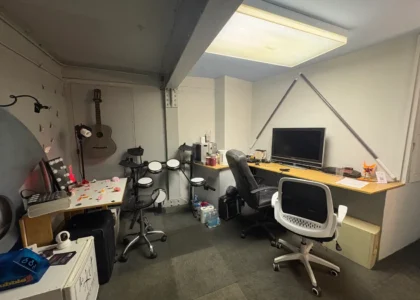
At Cartel Studios in Acton, artists can combine rehearsal, recording and mixing rather than treating each stage as a separate problem. With space across three rooms, practical equipment including drums, amplifiers, PA systems, mixers, microphones and a vintage grand piano, the focus can stay on moving the music forward. That is useful when a project needs more than an hourly room booking and you want to work through the details properly.
Make the Most of the Mix Session
Communication is one of the biggest factors in a productive mix. Tell the engineer what you love about the demo, what is frustrating you, and where you think the listener’s attention should sit. You do not need technical language to give a good brief. Saying “the vocal needs to feel close and exposed” or “I want the drums to hit harder without taking over” is clear creative information.
Be prepared to hear trade-offs. More bass weight can reduce clarity on smaller speakers. Very wide guitars can make a chorus feel huge, but may weaken the impact when played in mono. Heavy vocal tuning can create a specific contemporary sound, yet may remove the movement that makes a performance believable. None of these choices are automatically right or wrong. They should serve the track and the audience you want it to reach.
Try not to make every decision in isolation. A snare sound that feels brilliant during a solo listen may be too sharp once the vocal enters. Likewise, a vocal can seem slightly dry on its own but sit perfectly once the rest of the production is playing. A good engineer will move between detail work and the full musical picture throughout the session.
Give your ears a reset
Long listening sessions can make anyone chase tiny changes that do not improve the song. Take short breaks, listen at more than one volume and return to the track after a pause. Quieter monitoring is often revealing: if the vocal, groove and main hook still come through, the mix is doing its job.
When reviewing a revision, listen on a few familiar systems rather than twenty random ones. Your everyday headphones, a trusted pair of speakers and a car system can give useful perspective. Take notes about repeat issues, not one-off quirks. If the vocal is consistently too quiet or the bass feels unclear across several systems, that is worth feeding back.
Mixing for Release, Not Just for the Studio
A mix should stand up beyond the control room. Most listeners will meet your music on headphones, phones, Bluetooth speakers, in cars or through streaming platforms. That does not mean you should mix for the lowest common denominator. It means the essential message of the record – vocal, groove, mood and key musical hooks – needs to translate.
Mixing is also separate from mastering. A finished mix is a balanced stereo file with enough space and clarity for mastering to prepare it for release. Do not assume that mastering will solve an arrangement issue, a buried vocal or an overly aggressive top end. It can bring cohesion and final polish, but the mix should already feel like the record.
If you are releasing several tracks, think about continuity early. Songs do not need identical levels or identical drum sounds, but an EP should feel like it belongs to the same artist. Keeping notes on vocal treatment, effects choices and reference points can make that process more controlled.
The right room, the right engineer and a well-prepared session will not write the song for you. They will let the song speak with more confidence. Give your music the focused listening it deserves, and the next time someone presses play, the feeling you worked for has a better chance of reaching them.