

A piano part can carry the emotional centre of a track, but only if the instrument and room let it breathe. Booking a recording studio with grand piano gives artists something a MIDI patch or upright piano often cannot: real weight in the low end, movement in the dynamics and the small imperfections that make a performance feel human.
That matters whether you are tracking a stripped-back vocal single, building a cinematic production, recording a live band or putting the finishing touches on an EP. The piano is not simply another sound source. It can shape the arrangement, lead the harmonic direction and give a session a focal point that players respond to.
What a recording studio with grand piano changes
A grand piano has a larger soundboard, longer strings and more physical resonance than most compact instruments. In practical terms, it gives the player more range to work with. A quiet chord can sit under a close vocal without disappearing, while a confident, percussive part can cut through drums and guitars without becoming brittle.
For recording, the difference is as much about control as character. An engineer can place microphones close to the hammers for attack, over the strings for detail, near the tail for width or further back in the room for natural ambience. Those options allow a piano recording to suit the song rather than forcing the song to suit one fixed sound.
It is not always about making the piano huge. Sometimes the best choice is a close, intimate sound with little sustain, especially for a lyric-led song. At other times, a wider stereo image and longer decay can give a chorus the lift it needs. A proper instrument in a workable recording room gives you both directions, plus the ability to change course when the arrangement develops.
Start with the song, not the piano sound
It is easy to arrive with a reference track and immediately chase its piano tone. That can be useful, but it should not replace a simple conversation about the role of the part. Is the piano leading the track? Supporting the vocal? Filling space in a sparse arrangement? Playing rhythm alongside the drums? The answer affects everything from voicing and pedal use to microphone placement and where the piano sits in the mix.
For singer-songwriters, recording the piano and guide vocal together can capture a performance that feels connected, even if the vocal is replaced later. The player can follow the natural phrasing of the lyric rather than a rigid click. For a band arrangement, it may make more sense to record a clean piano take after the rhythm section is established, leaving space for guitars, bass and drums.
There is a trade-off. Recording live can preserve energy, but it may introduce spill from other instruments. Recording separately offers more editing flexibility, but it can lose some of the chemistry of everyone playing in one moment. Neither approach is automatically better. The right one depends on the song, the players and how finished the arrangement is when you enter the studio.
Prepare the performance before pressing record
Grand pianos reveal detail. That is their strength, but it also means uneven timing, overly heavy pedal work and untidy chord changes become more obvious. Preparation does not mean making the performance clinical. It means knowing which musical choices are intentional.
Spend time with the arrangement before your session. Decide where the left hand needs to leave room for bass, where the sustain pedal should lift, and whether the chorus really needs fuller chords or simply a different register. If you are recording to a click, practise with it early. If the song needs natural tempo movement, map out where that movement happens so the rest of the production can follow it.
Bring a mobile phone recording of rehearsals, rough demos and a couple of useful references. These help communicate the direction quickly, particularly if you are working with an engineer or producer for the first time. They are a starting point, not a set of rules. A part that sounded right in a bedroom demo may need fewer notes once it is played on a resonant grand piano in a full arrangement.
Leave space for the instrument
Many piano recordings become muddy because the arrangement asks every instrument to occupy the same range. A grand piano can cover a huge amount of the frequency spectrum, from heavy low notes to bright upper harmonics. If the bass guitar, kick drum, guitars and piano are all playing dense low-mid parts, the mix will soon feel crowded.
Good arranging solves much of this before mixing begins. A bassist might simplify around the piano’s lowest notes. A guitarist might move to a higher voicing. The pianist may play a lighter left hand in the verse and save the fuller chords for the final chorus. These are musical decisions, not technical compromises, and they usually make the track feel bigger.
Getting the right take in the room
A productive piano session needs enough time to settle in. The first take is often useful for checking balance, pedal noise, tuning, headphone level and the pace of the song. It is rarely the take to judge the whole session by.
Aim to record several complete performances before getting drawn into tiny repairs. A full pass lets you hear the shape of the song and gives you genuine options when it comes to editing. Then, if one chorus needs more confidence or a transition needs tightening, you can return to those sections with a clear purpose.
It also helps to record a little beyond what feels safe. Try one take that is restrained and close to the lyric, then another with more movement and dynamic range. The contrast may reveal what the production has been missing. You do not have to use the boldest version, but it is far easier to reduce energy in a mix than to manufacture a performance that was never captured.
Pairing piano with vocals, bands and production
The grand piano is especially useful when a track needs an acoustic anchor. For a vocalist, it can offer pitch and phrasing support without the rigid feel of a programmed backing. For rappers and producers, sampled phrases, prepared chords and improvised textures can become strong material for a beat, provided the original performance is recorded cleanly and thoughtfully.
With a full band, communication is everything. If the piano is playing a rhythmic figure with the drums, record a guide that lets the players lock in before committing to the final part. If it is a more expressive layer, avoid overplaying during sections that already have a lot of harmonic information. The piano should earn its place in each section of the arrangement.
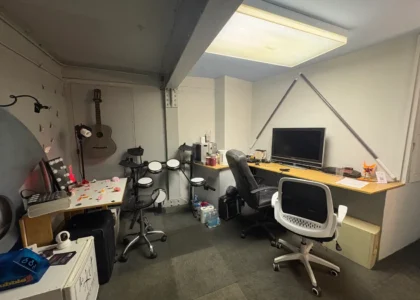
At Cartel Studios, artists can work across a practical three-room creative setup, with a vintage grand piano alongside recording facilities, band equipment, microphones, a vocal booth and engineering support. The piano is over 100 years old, with unique fixes that have preserved its sound and place it in the studio rather than in a museum. That flexibility is valuable when a song moves from rehearsal to tracking: you can test the arrangement properly, identify what needs changing, then record with the decisions fresh in the room. It might be that you prefer a more modern sound though, and that is available too, via midi keys and varied classical and synthetic sounds available at the touch of a button.
Budget for decisions, not just hours
Booking studio time is more useful when you know what you want to leave with. That could be finished piano and vocal recordings, strong production stems for a collaborator, or complete takes ready for editing and mixing. Set a realistic target, but do not schedule so tightly that there is no room to respond to the music.
For a single piano-led track, a focused block may be enough if the part is well rehearsed. For an EP or album, longer block bookings can be better value and give everyone time to build a consistent sound across several songs. They also make space for the practical work that affects results: choosing takes, recording overdubs, checking edits and listening back with fresh ears.
Before you book, ask what is included, whether an engineer is available, what equipment is in the room and whether you need to bring session files or a rough arrangement. Clear preparation keeps the session artist-led rather than clock-led.
A grand piano will not rescue an unfinished song, but it can reveal the strength already inside one. Give the part room to speak, bring an arrangement that supports it and allow enough session time for a real performance to emerge. That is where a recording stops sounding like a demo and starts sounding like your record.