

A rehearsal can fall apart for reasons that have nothing to do with the song. Female-owned studios can offer a different kind of creative infrastructure: properly equipped, professionally run spaces where artists are taken seriously from the first soundcheck to the final mix.
For musicians, producers and engineers, the value is not simply in who owns the building. It is in what that leadership makes possible day to day: clearer communication, more considered facilities, stronger artist support and a culture where creative people can focus on making the work better.
What female-owned studios change in practice
The music industry has never lacked talented female artists, producers, engineers and technical crew. What it has lacked, too often, is equal access to the rooms where decisions are made, records are shaped and careers begin to move. A studio is one of those rooms.
When women lead a music space, representation is visible in the operating culture as well as the branding. That can affect how a first-time vocalist is welcomed into a recording session, how an engineer is treated when they arrive with their own client, or whether a band feels able to ask for help with a technical problem without being patronised.
This is not about assuming every female-owned studio works in exactly the same way, or that a studio must be female-owned to be inclusive. Plenty of studios run by people of every gender do excellent work and create respectful environments. The difference is that female ownership can bring lived experience to the decisions that shape a space, particularly where artists have previously felt overlooked, underestimated or simply not catered for.
That matters because studio time is expensive, and confidence is easily lost. An artist who feels heard is more likely to try another vocal take, test a new arrangement or say when a mix is not representing the record properly. Those moments are where a decent demo becomes a stronger release.
A serious studio is more than a safe space
The language around inclusion can sometimes become vague. For working artists, a supportive environment needs to be backed up by practical standards. You need a room that sounds good, equipment that is ready to use, clear booking arrangements and people who understand the difference between rehearsal mode and recording mode.
A full band needs enough space to play properly, not just squeeze in around a drum kit. A singer-songwriter may need a quiet vocal booth, a piano that inspires a better performance and an engineer who knows when to intervene. A producer needs reliable monitoring, sensible routing and the time to build ideas without constantly troubleshooting. An artist preparing an EP may need to book a longer block so pre-production, recording and rough mixes can happen with real continuity.
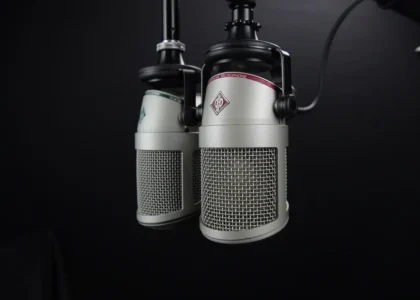
Female-owned studios are most useful when they combine that technical competence with artist-first thinking. The goal is not to make a room feel softer or less professional. It is to make professionalism feel accessible. Good engineering, properly maintained drums and amplifiers, quality microphones, PA systems, MIDI keys and recording support should be available without artists needing to prove they belong there first.
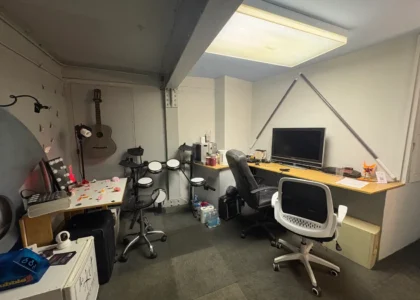
At Cartel Studios, that means a practical creative base across rehearsal and recording spaces, with the equipment and engineering support needed to develop a track from an early idea into something ready to finish. It also means recognising that artists come in with different levels of experience. Some need a reliable room for a weekly band rehearsal; others are booking an intensive recording project, bringing in a producer or preparing to release their first single.
Why representation improves the creative room
Recording is personal work. Even the most confident performer can feel exposed when listening back to their voice through studio monitors or trying to explain a half-formed production idea. A room where people do not have to spend energy managing assumptions gives them more capacity for the music itself.
For female creatives, that can be especially significant in roles where they are still routinely treated as the singer, the guest or the assistant rather than the producer, engineer, instrumentalist or decision-maker. Seeing women in leadership and technical roles changes expectations. It makes it more normal for a drummer to take charge of the arrangement, for a producer to run a session, or for an engineer to lead a mix conversation.
The benefit reaches beyond women alone. A studio culture that values clear communication and respect is better for everyone. Bands work faster when they can be honest about what is not working. Producers get better results when artists are comfortable giving feedback. Engineers can protect the session flow when expectations are set clearly at the start.
There is a useful balance to strike here. Nobody wants to be treated as a project rather than an artist. The best support is specific and responsive: help when it is wanted, technical guidance when it is useful, and enough space for people to make their own calls. A good studio does not flatten creative differences. It gives them room to exist.
Choosing between female-owned studios and any other facility
If you are looking for a place to rehearse or record, ownership should be one part of the decision, not the only factor. Start with the project in front of you. Are you rehearsing a live set, tracking vocals, producing an electronic record, recording a full band or finishing mixes for release? The right room, equipment and support will differ.
Ask how the studio is set up for the work. Can your drummer use a maintained kit? Is there suitable backline? Are microphones, monitoring and a vocal booth available for the recording you have planned? Can you bring your own engineer, or book engineering support if you need it? If you are working across several days, is block booking possible so the project does not lose momentum?
Then pay attention to the less obvious details. Are the rates clear? Do staff answer practical questions directly? Does the studio understand your genre and working process? Is the space somewhere you can picture spending a long day making decisions in? These are not superficial concerns. They affect whether you use your paid time well.
For artists based in West London, access can matter too. A studio in Acton can make rehearsals and recording blocks easier to organise for people travelling from Ealing, Chiswick, Hammersmith, Brentford, Kensington or further across the city. But convenience only helps if the room is properly equipped and the session is well supported. A shorter journey is useful; a productive session is the point.
Building a stronger route into music
Studios can play a wider role than hiring out a room by the hour. They can become places where emerging artists build working relationships, test material before a release and find the confidence to take their project seriously. That is particularly valuable for independent musicians doing much of the work themselves: writing, rehearsing, arranging, recording, planning visuals and figuring out how to get a finished record heard.
Female-owned spaces can help make that route more visible for people who have not always seen themselves reflected in the technical side of music. Artist residency opportunities, peer connection and access to an informed creative team can give developing artists a more realistic footing. The point is not to promise a shortcut. Music still takes repetition, revision and difficult decisions. It is to remove some of the unnecessary barriers around getting started.
There is also a commercial case for this. Artists return to studios where they can work efficiently and leave with a better result. Bands tell other bands about rooms with good backline and fair rates. Producers bring clients to places that make them look prepared. Inclusion, when it is built into how a business runs, is not separate from quality. It contributes to it.
The next time you book a rehearsal or recording session, look beyond the hourly rate and the gear list. Choose a space that gives your project the conditions to grow: capable equipment, honest support, time to concentrate and a culture that treats your ideas as worth hearing. That is what helps a promising track become a record you are ready to stand behind.