
A three-hour booking can disappear surprisingly quickly: one late band member, a missing lead, ten minutes spent fixing a pedalboard, then a debate about the middle eight. Good studio planning is what protects your creative time from all of that. It gives a rehearsal, recording session or focused writing block a purpose, while leaving enough room for the happy accidents that make a track feel alive.
For independent artists, the goal is not to make every minute clinical. It is to walk out knowing what moved forward: a tighter live set, a final vocal take, a properly arranged demo, or clear decisions about what needs to happen next.
Start studio planning with one clear outcome
The strongest sessions usually have one main job. “Work on the songs” is too broad when several people, instruments and opinions are in the room. A more useful target might be to lock the arrangements for two songs before a gig, record guide tracks for an EP, choose the strongest single from a batch of demos, or capture vocals for a finished production.
That outcome shapes every other decision. A band preparing for a show needs to spend time on transitions, count-ins, endings and dynamics. An artist recording a single may need a quieter, more detailed plan built around vocal performance, comping and playback checks. A producer developing a beat with a vocalist might need writing time first, then a separate session for recording rather than trying to force both into a rushed afternoon.
Write down the session goal in one sentence and share it before anyone arrives. It keeps the room aligned when energy dips or a new idea threatens to pull everyone in another direction. New ideas still matter, of course, but they can be recorded as a voice note or added to a parking list for the next session.
Choose the right type of session
Not every project needs the same room, equipment or pace. Planning starts with being honest about where the music is in its life.
Rehearsal is for decisions, not just repetition
A productive rehearsal is where songs become playable as a unit. That can mean deciding the key, fixing the tempo, cutting an extra chorus, arranging backing vocals, or finding the point where the drummer and bassist make the groove land. Simply playing the set from top to bottom has value, especially ahead of a show, but it should not be the only format.
Try dividing the booking into sections. Begin with a quick warm-up and sound check, then tackle the hardest material while everyone is fresh. Run the full set later, once the details are in place. Recording a rough room take of each run-through is often enough to reveal loose entries, rushed tempos and sections that feel longer than they need to be.
Recording needs pre-production first
The most expensive recording problem is discovering that the song is unfinished after microphones are set up. Before booking recording time, agree on the structure, key, BPM and reference version. Decide whether you are tracking live as a band, building the song layer by layer, or recording a guide performance before replacing parts.
This does not mean every choice must be fixed. Some artists work best when the arrangement changes in the room. The difference is that this should be a creative choice, not a result of nobody knowing which version they are playing. If the track has programmed elements, send the correct stems, click and guide mix in advance, clearly labelled and tested.
Block time for projects that need momentum
An hour can be ideal for vocal practice, a lesson, an overdub or checking a mix. It is less useful for an EP that still needs its sonic identity found. For larger projects, a block booking can create the focus needed to rehearse, record, review and refine without repeatedly resetting the project.
There is a trade-off. Long sessions can produce great momentum, but tired ears make poor decisions. Build in breaks, plan a stopping point, and avoid making major mix calls at the end of an exhausting day. Sometimes two shorter, well-prepared bookings achieve more than one marathon session.
Prepare the people, parts and files
Studio planning is not just a technical checklist. It is a way of making sure every person knows their role. For a band, name someone to keep an eye on time and someone to take notes. For a solo artist, decide whether your producer, engineer or trusted collaborator has the final say when takes need choosing. A room full of talented people can still stall if nobody is empowered to make a decision.
Bring charts, lyric sheets or chord notes where they will help, even if the group usually works from memory. Mark arrangement changes clearly. If you are recording vocals, have final lyrics ready in a readable format, including doubles, harmonies and ad-libs you want to try. If they are not final, flag that early rather than losing recording time rewriting every line.
File organisation matters too. Use a simple naming system that includes song title, version and date. “Final_final_NEW2” becomes confusing the moment more than one person opens a project. Keep a folder for references, stems, lyric sheets and exports, and back up anything essential before the session. Bring a charged mobile phone or laptop, relevant adaptors, and your own instruments or pedals if a particular sound is central to the record.
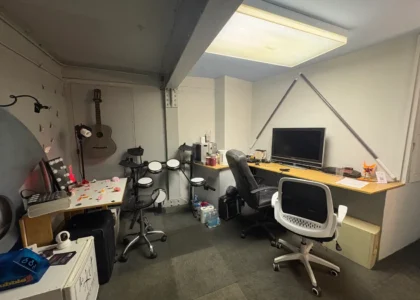
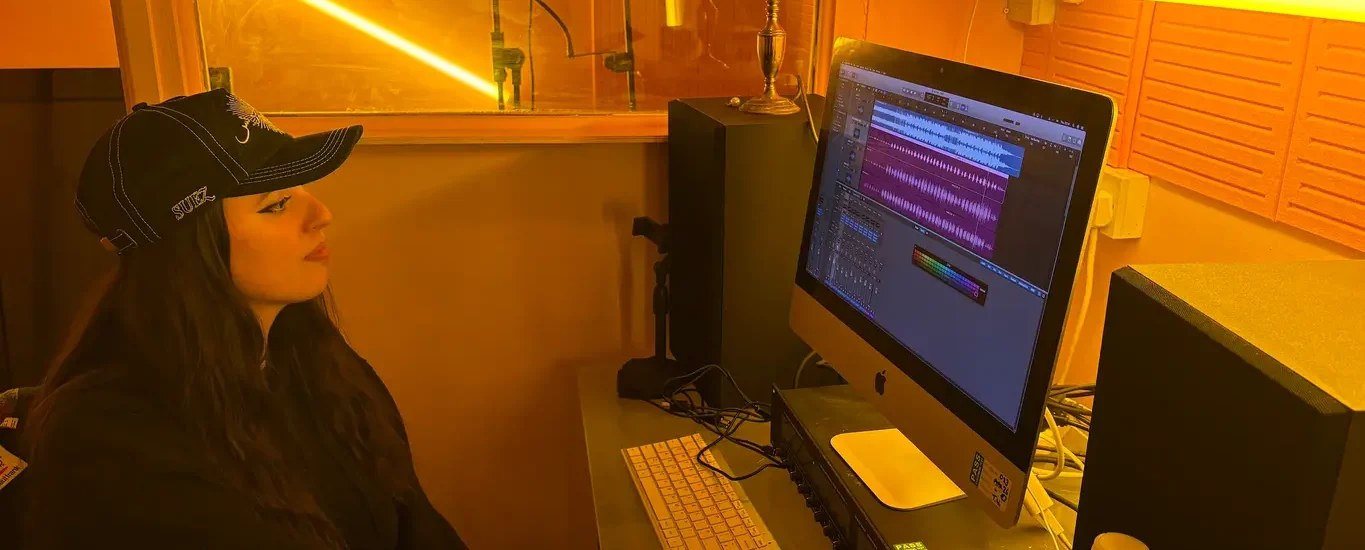
At Cartel Studios, the practical benefit of an equipped rehearsal and recording space is that artists can work with drums, amplifiers, PA, microphones, mixers, MIDI keys and a vocal booth without trying to build a temporary setup from scratch. But equipment is most useful when the plan says what it is there to achieve. A vintage grand piano might inspire the part that changes a song, or it may simply be the wrong sound for the arrangement. Give yourself time to find out.
Make an engineer part of the plan
Engineering support is not only for the final recording stage. An engineer can help turn a rough brief into a workable session, especially if you are unsure how to capture a full band, build a vocal chain, prepare for editing or leave room for mixing later.
Send a short brief beforehand: the artist name, tracks being worked on, reference artists or songs, intended release format, and any non-negotiable sounds. Say whether you want clean recordings to shape later or a more characterful sound committed on the day. Neither approach is automatically better. Committing to a guitar tone can make a record feel decisive, while recording a clean DI alongside it gives more options if the mix changes direction.
Be clear about priorities. If there are four songs but only enough time to record two properly, choose the two. It is better to leave with strong takes and useful notes than a folder of half-finished sessions no one feels confident releasing.
Leave time to listen back properly
The final ten to fifteen minutes are easy to lose, yet they can save an entire follow-up session. Before packing down, listen back to key takes and check that files have been saved and labelled. Make immediate notes while everyone remembers what happened: the vocal take with the best emotion, the guitar sound worth recreating, the lyric that still feels awkward, the tempo to revisit.
For rehearsals, finish with a quick debrief. Which songs are ready? Which section needs individual practice? What must each person bring prepared next time? Keep the conversation specific. “The set needs work” is demoralising and unhelpful. “The bridge in track three needs a cleaner cue from drums and a shorter guitar turnaround” gives everyone a practical next move.
Keep the plan flexible enough for the music
A schedule should serve the song, not flatten it. If a new chorus appears and everyone in the room knows it is better, follow that energy. If the vocal is sounding strained, take a break rather than pushing through another twenty takes. Good planning creates space for these calls because the essentials are already organised.
The aim is not a perfect session. It is meaningful progress you can hear. Arrive with a clear target, prepare enough that the room can get to work quickly, and protect a few minutes to capture what you learned. Your next booking will start stronger because of it.