

A song can feel huge in the room where it was made, then lose its impact the moment it leaves your speakers. The vocal sits differently in the car, the kick vanishes on headphones, or the guitars suddenly occupy every available inch of the track. Online mixing can be a practical way to get a fresh, experienced set of ears on that problem – provided you send the right materials and know what you are asking for.
For independent artists, online mixing is not about handing over creative control. It is about taking a finished recording to the point where the performance, arrangement and production make sense across the places people actually hear music. Done well, it gives a track clarity, weight and character without sanding off what made it yours.
What online mixing actually involves
Online mixing is the process of sending your recorded session files to a mix engineer remotely. They build a mix in their own treated listening environment, return a version for your feedback, and make revisions within the agreed scope. The final approved mix is then normally supplied as a high-resolution stereo file, ready for mastering.
This is different from mastering. Mixing deals with the relationships inside the song: vocal level and tone, drum impact, low-end balance, panning, effects, automation and the overall energy from section to section. Mastering is the final stage that prepares the approved stereo mix for release, helping it translate consistently alongside other records.
That distinction matters because a master cannot repair a vocal that is buried beneath guitars, an over-compressed drum bus, or a bass part fighting the kick drum. Give the mix the attention it deserves first and the final release stage becomes far more straightforward.
Remote work suits artists who have recorded at home, in a rehearsal space or in a professional studio and want specialist support without needing to sit through every hour of the mix. It can also suit producers who are close to the project and need a second perspective before release. However, it is not always the best choice. If the arrangement is still changing, the vocals need re-recording, or you are unsure which takes to use, solve those decisions before sending the project out.
Prepare your files before online mixing
The quality of an online mix begins long before the engineer opens the session. Organisation is not glamorous, but it protects your budget and gives the engineer more time to make musical decisions rather than searching through unnamed audio files.
Start by committing your arrangement. Choose the final vocal takes, remove unused tracks and make sure every edit is intentional. If you send three versions of a lead vocal and no note explaining which one is preferred, you are asking the engineer to make an artistic decision that may not be theirs to make.
Export consolidated audio files from the same start point, even when an instrument enters halfway through the song. Label them clearly: `Lead Vocal`, `BV High Chorus`, `Kick In`, `Bass DI`, `Guitar Verse L`. Avoid names such as `Audio 14` or `final final new`, which become confusing quickly when a session has 40 or 80 tracks.
Keep the files at the original sample rate and bit depth wherever possible. Do not convert everything to MP3, and do not normalise files before export. WAV files are generally the sensible choice. If you have both a bass DI and an amp track, or a clean vocal and a printed effected vocal, provide both but explain which sound is central to your vision.
Leave headroom on the mix bus. A rough mix that is clipping or aggressively limited makes it harder to judge the source material. You do not need to make it quiet, but avoid processing designed only to make your demo feel louder. Your engineer needs room to shape the record properly.
Send a rough mix and useful notes
A rough mix is not a test you need to pass. It is a map of the creative choices you have already made. Send the version you have been living with, including any temporary effects that capture the atmosphere of the track. If a distorted vocal delay in the final chorus is part of the song’s identity, say so.
Your notes should be specific enough to guide the process without prescribing every move. “I want the chorus to feel wider and more urgent” is useful. “At 2:14, the lead vocal needs to stay intelligible when the extra guitars arrive” is even more useful. A long message asking for the track to sound “professional” is harder to act on because it can mean completely different things to different people.
Reference tracks help too, particularly when you explain what you are hearing in them. Perhaps you like the dry, forward vocal in one record, the low-end restraint in another, or the way a chorus opens up without becoming harsh. A reference does not mean your song should be copied. It gives the engineer a clearer sense of your priorities.
Choosing an online mix engineer
The right engineer is not necessarily the person with the longest equipment list or the loudest social feed. Listen for taste. Their previous work should make sense for your genre, but it should also show that they can retain the identity of different artists rather than forcing every song into one sonic mould.
Ask what is included before you commit. You need clarity on the number of revisions, delivery format, turnaround time, whether vocal tuning or editing is included, and whether the fee changes with track count. A simple singer-songwriter production and a dense electronic track with layered vocals, programmed drums and resampled textures do not demand the same amount of work.
Communication matters as much as technical ability. A good engineer will ask sensible questions about the track, flag issues that may affect the mix and explain the next step without making you feel out of your depth. You should be able to be honest about what is not working. That is how the mix improves.
Be realistic about revisions. Revisions are for refining the agreed direction, not rebuilding the song from scratch after the first mix arrives. If you decide to replace the chorus, add new drums or change the arrangement, it may require a new mix version and additional time. That is not a bad thing – it is simply a different piece of work.
Give feedback that moves the mix forward
When the first mix comes back, do not listen only once on your laptop at midnight. Spend time with it on the speakers you know well, then check headphones, a car system and a smaller speaker. Take notes, step away, and listen again the following day. Your first reaction is valuable, but fresh ears help separate genuine issues from the shock of hearing a familiar track presented differently.
Keep feedback grouped and prioritised. Begin with the big picture: does the vocal feel like the centre of the song, does the chorus lift, does the rhythm section carry the right energy? Then move to details such as a bright cymbal, a delay throw, a guitar level or a word that disappears.
If several band members are involved, appoint one person to gather comments. Five separate messages with conflicting requests can stall a mix quickly. Discuss the version internally, agree what serves the song, and send one clear set of notes. It saves time and keeps the conversation constructive.
When a studio session is the better first step
Online mixing works best when the recordings and creative direction are already solid. If they are not, book time to get them there. A proper recording session gives you the chance to capture cleaner vocals, re-amp a guitar, tighten performances or make confident production decisions before the files leave the room.
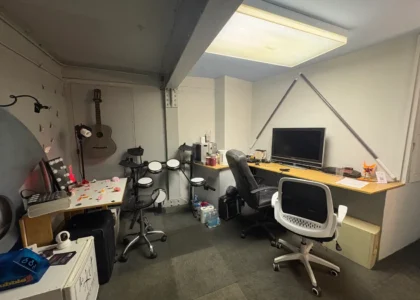
For artists in West London, Cartel Studios can be a useful base for recording, overdubs and focused pre-production before a remote mix. Having access to microphones, drums, amplifiers, a vocal booth, MIDI keys and engineering support means you can address the parts that would otherwise become compromises in the final mix.
There is also value in checking your rough mix in a different room before sending it. A track built entirely on one pair of headphones can hide low-end build-up, brittle top end or a vocal level that only works at one volume. You do not need a private studio set-up to make release-ready work, but you do need honest monitoring and enough time to respond to what you hear.
Make the handover part of the creative process
The best remote mixes start with a clear handover, not a rushed folder sent at the last minute. Organise the files, commit to the arrangement, describe what the song needs and choose an engineer whose judgement you respect. Then give them space to bring their own listening experience to the record.
Your demo does not need to sound finished before it goes to a mix engineer. It needs to communicate the song. When the performances are intentional and the brief is clear, online mixing can turn a promising session into a record you are genuinely ready to put your name to.